Blog home ideas TheHomeTrotters refers to practical inspiration for improving everyday living spaces through decorating, organization, layout changes, DIY projects, and thoughtful upgrades. The most useful approach is to start with how a room needs to function, then choose changes that fit your space, budget, lifestyle, and personal taste.
The best home inspiration starts with a simple question: What needs to work better? Maybe your living room feels crowded, your bedroom lacks personality, your entryway collects clutter, or your home simply needs a fresh look.
Instead of changing everything at once, focus on practical improvements that combine appearance with everyday function. A small layout adjustment, better storage, a new focal point, or a carefully chosen accessory can sometimes make a room feel completely different.
Table of Contents
- What Makes a Home Idea Worth Trying?
- Start With the Room’s Real Problem
- Blog Home Ideas TheHomeTrotters for Different Spaces
- Make Small Changes Before Buying Big Pieces
- Combine Style With Everyday Function
- Mistakes to Avoid When Refreshing Your Home
- How to Turn Inspiration Into an Action Plan
- Final Thoughts
What Makes a Home Idea Worth Trying?
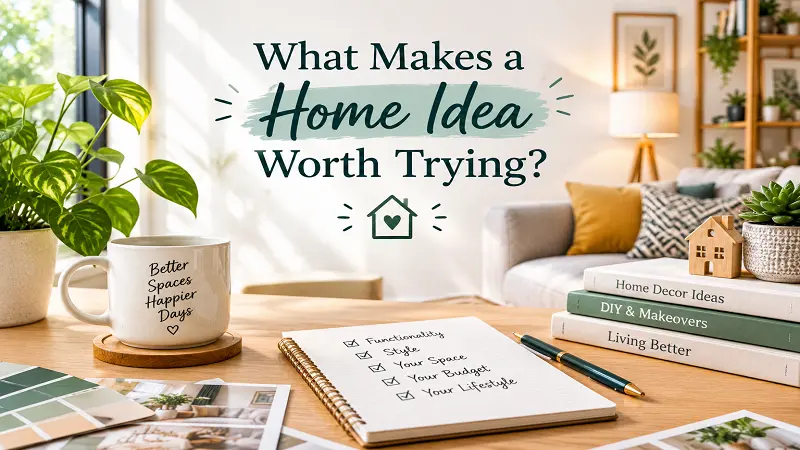
A good home idea should solve a real problem rather than simply look attractive in a photograph.
Before choosing a decorating project, consider three things: how much space you have, how the room is used, and what you are realistically willing to change.
For example, a beautiful open shelf may look appealing, but it may not be practical if you already struggle with visual clutter. Similarly, a large decorative chair may not be the right choice if it blocks an important walkway.
Useful inspiration should make your home easier, more comfortable, or more personal.
Start With the Room’s Real Problem
One of the easiest ways to make decorating decisions is to identify the problem before choosing the solution.
If a living room feels cramped, examine the furniture arrangement before purchasing anything new. If a bedroom feels unfinished, determine whether the problem is the walls, bedding, lighting, storage, or lack of a clear focal point.
This approach prevents unnecessary purchases.
Look at Function First
Think about what happens in the room every day.
A living room may need comfortable seating and clear walking space. A bedroom may need better storage and a calmer atmosphere. A home office may need a practical work surface and fewer distractions.
Once the function is clear, decorative decisions become much easier.
Work With What You Already Own
Refreshing a home does not always mean starting from zero.
Try moving furniture, removing items that no longer serve a purpose, changing the position of artwork, or grouping accessories differently.
You may discover that the room needs editing rather than more decoration.
Blog Home Ideas TheHomeTrotters for Different Spaces
Home ideas become more useful when they are adapted to the specific room.
Living Room
Start with the seating arrangement. Make sure the main furniture supports conversation and leaves comfortable paths through the room.
Then look at visual balance. A room can feel more finished when furniture, lighting, textiles, and decorative objects work together instead of competing for attention.
A simple focal point can also help. This might be artwork, a fireplace, a distinctive piece of furniture, or another feature that naturally draws attention.
Bedroom
A bedroom should feel comfortable before it tries to look impressive.
Begin with the bed because it is usually the dominant element. Keep surrounding areas reasonably clear and use bedding, curtains, rugs, or artwork to establish the overall mood.
If storage is limited, prioritize solutions that use existing space efficiently rather than filling the room with additional furniture.
Kitchen
Kitchen improvements should focus heavily on usability.
Look at the areas where clutter repeatedly accumulates. Countertops, drawers, cabinets, and open shelves often reveal where the room needs better organization.
Instead of adding storage everywhere, identify the items you use most often and make those items easiest to reach.
Entryway
The entrance sets the tone for the rest of the home, but it also has a practical job.
A small entryway can benefit from a defined place for shoes, keys, bags, and outerwear. Hooks, baskets, a narrow console, or a small bench can help depending on the available space.
The goal is not to fill the entrance with decoration. It is to make arriving and leaving easier.
Make Small Changes Before Buying Big Pieces
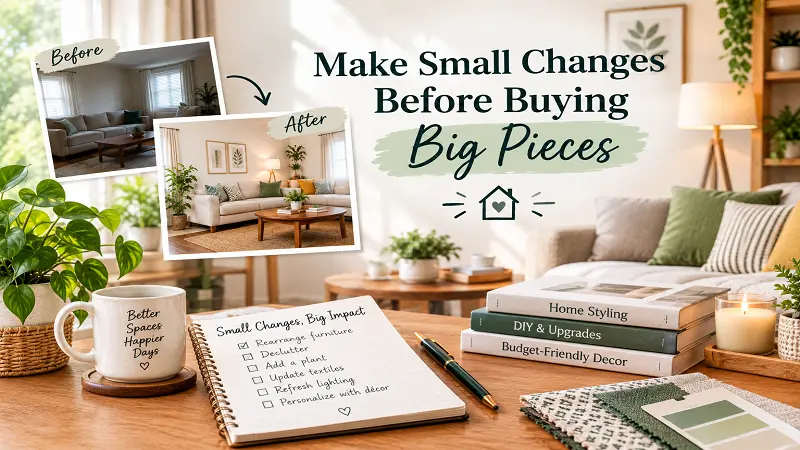
One of the most useful principles behind practical home inspiration is to test small changes first.
Move the sofa before replacing it. Rearrange shelves before buying new accessories. Try a different lamp position before installing new lighting. Remove unnecessary objects before purchasing storage containers.
These experiments cost little or nothing and can reveal what the room actually needs.
If the space improves, you have learned something useful. If it does not, you can reverse the change without wasting money.
Combine Style With Everyday Function
A home should reflect personal taste, but appearance should not make everyday life harder.
For example, decorative baskets can provide storage while contributing texture. A rug can define a seating area while making the room feel more cohesive. A mirror can become a decorative feature while helping a smaller area feel more open.
The strongest home ideas usually perform more than one job.
Choose a Consistent Visual Direction
You do not need to follow one strict design style.
Instead, choose a general direction. You might prefer warm and relaxed spaces, clean contemporary rooms, traditional details, natural materials, or a combination of influences.
The important thing is that your choices feel connected.
Leave Some Empty Space
Not every shelf, wall, or corner needs decoration.
Empty space gives important objects room to stand out and can prevent a room from feeling visually crowded.
When decorating feels overwhelming, removing a few things can be just as effective as adding something new.
Mistakes to Avoid When Refreshing Your Home
A common mistake is buying decorative items before understanding the room.
Another is copying a photograph too literally. A room photographed for inspiration may have different dimensions, lighting, furniture, and daily requirements than your home.
Budget is another important consideration. A project that looks inexpensive at first can become costly when installation, tools, replacement materials, or additional furniture are included.
It is also worth avoiding trends simply because they are popular. A home should support the people who live there, not constantly chase what is currently fashionable.
How to Turn Inspiration Into an Action Plan
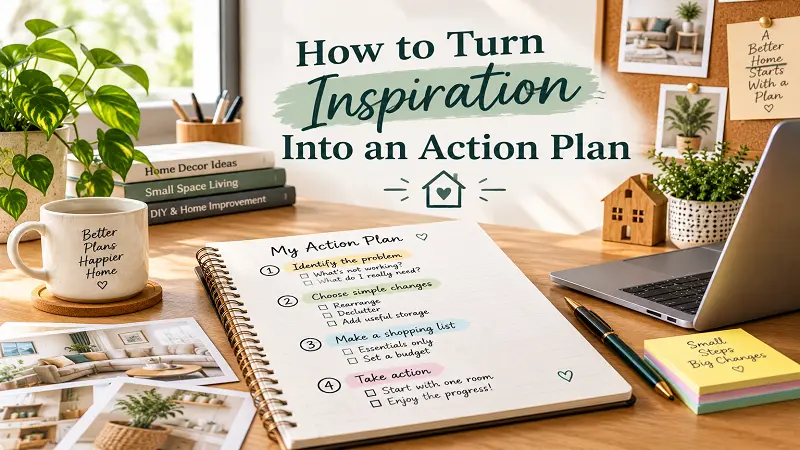
Once you have collected several home ideas, do not attempt everything simultaneously.
Choose one room and write down its three biggest problems.
For example:
- Too much visual clutter
- Poor furniture arrangement
- Not enough useful storage
Then select one low-cost improvement for each problem.
Complete the easiest change first. After that, reassess the room before spending money on a larger project.
This process turns blog home ideas TheHomeTrotters from passive inspiration into practical action.
You can also take photographs of the room before making changes. Comparing the original space with the updated version can help you understand which decisions actually improved it.
Final Thoughts
The most useful home inspiration is not necessarily the most expensive or dramatic. It is the advice that helps you understand your space and make better decisions.
Whether you are working on a single room or gradually improving an entire home, start with function, work with what you already have, and make changes that suit your lifestyle.
That approach makes home decorating more manageable and gives inspiration a practical purpose.
7. FAQ Section
What are blog home ideas TheHomeTrotters?
Blog home ideas TheHomeTrotters can be understood as home inspiration covering decorating, organization, room layouts, DIY improvements, and practical ways to make living spaces more comfortable and functional.
How should I start improving my home?
Start with the room that causes the biggest everyday problem. Identify what is not working, then try simple changes such as rearranging furniture, reducing clutter, improving storage, or changing decorative elements.
Do home improvements always require a large budget?
No. Many useful improvements can begin with rearranging existing furniture, removing unnecessary items, reorganizing storage, or changing how accessories are displayed. Larger purchases can come later when they are genuinely needed.
How can I make a small room feel more practical?
Prioritize clear walking paths, appropriately sized furniture, useful storage, and fewer unnecessary objects. Multi-purpose pieces can also help when floor space is limited.
Should I follow the latest home décor trends?
Trends can provide inspiration, but they should not control every decision. Choose ideas that suit your home’s layout, your lifestyle, your budget, and the way you actually use each room.
What is the best way to use home décor inspiration?
Use inspiration as a starting point rather than something to copy exactly. Take the useful principle from an idea and adapt it to your own room, available space, existing furniture, and personal preferences.see more