A comfortable home is not necessarily the one with the newest furniture or the most expensive decorations. It is a space that supports everyday activities, reflects personal taste, and makes daily routines easier. However, deciding where to begin can be difficult when every room needs something different.
TheHomeTrotters blog home ideas focus on practical ways to make everyday living spaces more comfortable, organized, and attractive. These ideas include refreshing room layouts, improving storage, choosing suitable lighting, adding personal decorations, and making affordable home improvements without unnecessary renovations.
TheHomeTrotters blog home ideas explore practical ways to improve living spaces through thoughtful decorating, better organization, useful storage, and manageable home improvements. Instead of changing everything at once, homeowners can identify what is missing from a room and make improvements that solve real problems.
Whether you want to refresh a living room, organize a small bedroom, improve your kitchen, or make better use of unused corners, a clear plan can help you achieve a more functional home without unnecessary spending.
Table of Contents
-
Understand What Your Home Needs
-
Refresh Different Rooms With Practical Ideas
-
Make Small Spaces More Functional
-
Improve Your Home Without Overspending
-
Build a Home That Reflects Your Lifestyle
Key Takeaways
-
Begin with the problems you notice most in your living space.
-
Choose furniture and decorations that serve a practical purpose.
-
Improve storage before purchasing additional furniture.
-
Use lighting and textures to make rooms feel more welcoming.
-
Plan improvements around your budget and everyday routines.
Understand What Your Home Needs

Before purchasing decorations or starting a renovation, take time to understand how each room is being used. A beautiful arrangement may not be practical if it blocks movement or leaves insufficient storage.
A useful starting point is to examine the room from the perspective of someone who uses it every day.
Identify the Main Problem in Each Room
Every room has different requirements. A living room may lack comfortable seating, while a bedroom might have limited storage. A kitchen may need better counter organization rather than new cabinets.
Write down the three things that bother you most in each space. Then decide which one deserves attention first.
For example, if your living room feels crowded, removing unnecessary furniture could be more useful than purchasing another decorative item. If your bedroom feels disorganized, adding suitable storage may create a bigger improvement than changing the wall color.
This simple assessment prevents unnecessary purchases and gives each project a clear purpose.
Choose a Consistent Decorating Direction
A home does not need to follow one strict interior design style. However, having a general direction helps different rooms feel connected.
You might prefer natural materials, simple furniture, warm colors, or a mixture of traditional and contemporary details.
Choose a few elements that you genuinely enjoy and repeat them thoughtfully. Similar wood finishes, complementary fabrics, or consistent metal accents can create visual connection without making every room look identical.
Refresh Different Rooms With Practical Ideas
Each room serves a different purpose, so decorating decisions should reflect how people use the space. The most useful home inspiration combines appearance with everyday convenience.
Create a More Welcoming Living Room
The living room often serves several purposes, including relaxing, entertaining guests, reading, and spending time with family.
Start by arranging seating so people can communicate comfortably. Keep frequently used pathways clear and avoid placing large furniture where it interferes with movement.
A rug can help define the seating area, while cushions and curtains introduce color and texture. Instead of filling every surface with accessories, choose a few meaningful decorative pieces.
Lighting also deserves attention. A combination of ceiling lights, table lamps, and floor lamps can provide different lighting options for various activities.
Make the Bedroom Comfortable and Organized
A bedroom should support rest while providing enough room for everyday belongings.
Begin with the furniture arrangement. Make sure drawers, wardrobes, and doors can open without difficulty. Keep bedside surfaces useful rather than overcrowded.
You can introduce personality through bedding, framed artwork, curtains, or a carefully selected color palette. Storage boxes and under-bed organizers can also help manage belongings that are not needed every day.
The objective is to create a room that feels personal and comfortable without adding unnecessary decoration.
Improve Kitchen and Bathroom Functionality
In the kitchen, prioritize accessible storage and clear working surfaces. Group frequently used cooking items together so everyday tasks become easier.
Drawer organizers, wall-mounted storage, and properly arranged shelves can help make better use of existing space. Before adding open shelving, consider whether you will be comfortable keeping the displayed items clean and organized.
Bathrooms also benefit from simple, practical changes. Use suitable shelves, hooks, and storage containers to keep everyday products accessible. Replace damaged fittings when necessary and pay attention to ventilation.
Moisture should never be treated as merely a decorating issue. Persistent dampness or leaks need to be addressed before covering affected surfaces with paint or decorative materials.
Make Small Spaces More Functional
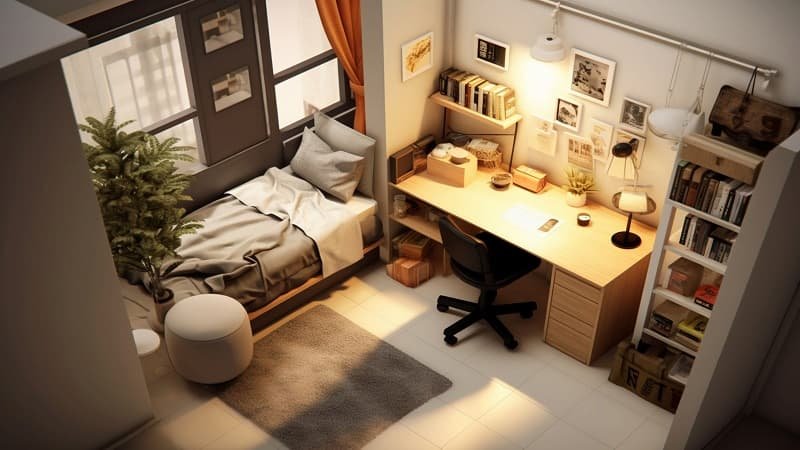
Limited space does not mean that a home cannot be attractive or comfortable. The key is to make each available area serve a clear purpose.
Use Furniture That Supports More Than One Activity
Multifunctional furniture can be useful in apartments, compact bedrooms, and shared living spaces.
Consider a storage ottoman, an extendable dining table, or a desk that can also function as a study area. These choices can reduce the need for separate furniture pieces.
However, measure the available space before buying anything. A multifunctional item is only useful if it fits comfortably and can be used without making the room difficult to navigate.
Make Better Use of Vertical Space
Walls offer opportunities for storage that do not require taking up additional floor area.
Floating shelves, wall hooks, and compact cabinets can help organize books, accessories, and frequently used household items.
Place heavier objects on shelves designed to support their weight, and make sure wall fixings are appropriate for the wall material.
It is also important to leave some empty wall space. Filling every available area can make a small room feel visually crowded.
Improve Your Home Without Overspending
A home improvement project does not always require a major financial commitment. Many useful changes involve making better decisions about what you already own.
Reuse and Rearrange Existing Items
Before shopping for new furniture, look around your home for items that could serve another purpose.
A side table from the bedroom might work beside a living room chair. An existing bookshelf could provide additional storage in a home office.
You can also refresh suitable furniture by replacing worn handles, cleaning surfaces, or updating its finish. Check the condition and material before choosing a treatment.
Reusing furniture is not just a budget-conscious decision. It also allows you to keep pieces that have personal meaning.
Plan Purchases Before Starting a Project
A simple budget can prevent a small decorating project from becoming an expensive renovation.
List the materials, tools, and furniture you actually need. Compare prices and consider whether an existing item can be repaired instead of replaced.
It is also wise to keep a small allowance for unexpected expenses, especially when a project involves plumbing, electrical work, or structural changes.
For work involving electrical wiring, gas connections, or major structural repairs, use a qualified professional rather than relying on decorative DIY advice.
Build a Home That Reflects Your Lifestyle
The most successful home improvements are those that make everyday life easier while expressing the preferences of the people who live there.
Add Personal Details With a Purpose
Photographs, artwork, books, handmade objects, and meaningful souvenirs can give a room its own character.
Choose items that have personal value instead of buying decorations simply because they are popular. A few carefully selected pieces often communicate more personality than a large collection of unrelated accessories.
You can also display seasonal decorations without permanently changing the entire room. This allows your home to feel fresh while keeping its basic arrangement practical.
Develop a Realistic Home Improvement Routine
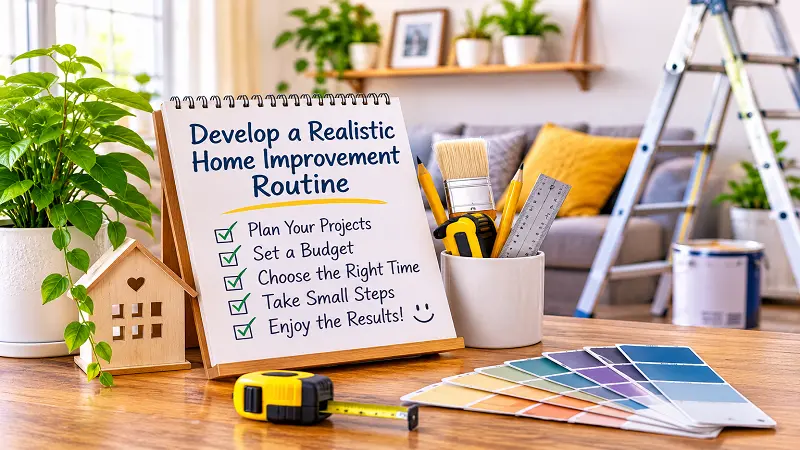
Rather than starting several projects simultaneously, create a manageable improvement schedule.
Choose one room, establish a clear goal, and complete the necessary changes before moving to another area.
For example, you could begin by organizing storage, then address lighting, and finally consider decorative updates. This order helps prevent purchases that do not fit the finished arrangement.
Keep photographs and simple notes of completed projects. They can help you remember measurements, materials, and ideas that worked well when planning future improvements.
A home should evolve with changing routines and needs. Regularly reviewing how each space is used makes it easier to decide which improvements are worth making.
Frequently Asked Questions
1. What are TheHomeTrotters blog home ideas?
TheHomeTrotters blog home ideas refer to practical home inspiration covering decorating, organization, room improvements, storage, and everyday living. The central focus is making spaces more comfortable and functional.
2. How can I improve my home without spending much money?
Start by rearranging existing furniture, removing unnecessary clutter, reusing decorative items, and improving storage. Small changes can be useful when they address a specific problem.
3. What is the best way to decorate a small home?
Choose appropriately sized furniture, use vertical storage, maintain clear pathways, and avoid filling every available surface. Multifunctional furniture can also help make limited space more useful.
4. How can I make my living room feel more welcoming?
Arrange seating for comfortable conversation, introduce suitable lighting, and use a few coordinated textiles or decorative objects. Keep the layout practical for everyday activities.
5. Why is planning important before starting home improvements?
Planning helps establish priorities, estimate expenses, choose suitable materials, and avoid unnecessary purchases. It also makes larger projects easier to manage.
Final Thoughts
Improving a home is not about following every decorating trend or replacing everything that looks outdated. It is about understanding what works, identifying what needs attention, and making thoughtful changes that support everyday life.
TheHomeTrotters blog home ideas provide a useful starting point for exploring room improvements, creative storage, affordable decorating, and practical organization. By working one space at a time and choosing changes that genuinely serve a purpose, you can gradually create a home that feels comfortable, organized, and personal.
The best place to begin is the room that needs your attention most. Make one meaningful improvement, see how it works, and build from there.seemore