A beautiful home is not necessarily the one with the newest furniture or the most expensive decorations. It is the one that feels comfortable, reflects your personality, and supports your everyday routine. With thoughtful planning, even a familiar room can feel fresh without a complete makeover.
TheHomeTrotters.com home decor ideas can inspire practical ways to make a home more attractive, comfortable, and functional. Start by assessing how each room is used, rearranging existing furniture, choosing a coordinated color palette, improving lighting, and adding personal touches. Small, carefully planned changes can refresh a space without requiring a complete renovation.
TheHomeTrotters.com home decor ideas offer a useful starting point for exploring interior styling, furniture placement, color combinations, and affordable ways to improve your living space. The key is to choose ideas that suit your home rather than copying a look that may not work for your needs.
Table of Contents
- Start With a Clear Decorating Plan
- Choose Colors and Textures That Work Together
- Make Every Room More Functional
- Decorate Small Spaces Without Creating Clutter
- Refresh Your Home on a Budget
- Add Personal Details That Make a Difference
- Common Decorating Mistakes to Avoid
- Frequently Asked Questions
- Final Thoughts
Key Takeaways
- Plan each room around its everyday purpose before buying decorations.
- Use a consistent color palette to connect different elements.
- Improve furniture placement before replacing expensive items.
- Make small rooms feel more organized by protecting clear pathways.
- Add personal artwork, meaningful objects, and textures to create character.
- Spend money on improvements that solve an actual problem.
Start With a Clear Decorating Plan
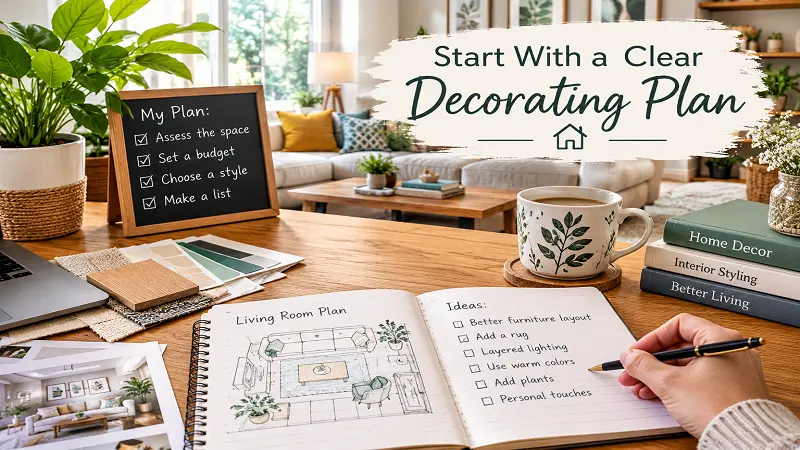
Before changing your furniture or choosing new accessories, look at how you currently use the room. A living room that doubles as a workspace needs a different arrangement from one used mainly for relaxing and entertaining guests.
Identify What Needs to Change
Walk through the room and identify three things that could work better. Perhaps the seating area feels cramped, the shelves collect unnecessary items, or the lighting makes reading difficult.
Write down these problems before searching for inspiration. This simple step helps you focus on changes that will improve daily life rather than spending money on decorative items that look attractive but serve little purpose.
Work With What You Already Own
Look at your existing furniture, curtains, rugs, artwork, and accessories. Consider whether moving a chair, changing the position of a lamp, or displaying fewer decorative objects could improve the room.
For example, moving a small table beside a reading chair can create a useful corner without purchasing an entirely new furniture set. Reusing suitable pieces also helps you maintain a consistent style while keeping costs under control.
Choose Colors and Textures That Work Together
Color and texture influence how a room looks and how its individual elements relate to one another. A successful combination does not require complicated design rules. It requires a little planning and a willingness to test choices before committing.
Build a Simple Color Palette
Start with a color already present in a permanent feature, such as your flooring, sofa, kitchen cabinets, or curtains. Choose one or two complementary colors for smaller accessories and decorative details.
Neutral shades can provide a flexible background, while deeper colors can introduce contrast through cushions, artwork, lampshades, or a single accent piece.
Before painting an entire wall, test a sample on a small area. Observe it in daylight and under your usual evening lighting because the same color can appear different under different conditions.
Mix Textures for a More Interesting Interior
A room decorated in similar colors can still feel flat if every surface has the same finish. Introduce variety through materials such as wood, cotton, linen, woven baskets, ceramic accessories, and soft rugs.
For example, a plain sofa can look more inviting with a textured throw and a cushion in a contrasting fabric. A wooden tray or ceramic vase can provide a different surface without introducing another strong color.
The aim is balance, not quantity. A few carefully chosen materials usually create a more cohesive result than filling every available surface with accessories.
Make Every Room More Functional
Different rooms have different requirements. The most useful decorating decisions improve appearance while making everyday activities easier.
Living Room: Create a Comfortable Layout
Arrange seating around the room’s main activity, whether that is conversation, television viewing, reading, or spending time with family.
Keep the main walking routes clear and avoid placing small tables where people must squeeze past them. A rug can help define the seating area, while a floor lamp can provide focused light near a reading chair.
If the room feels crowded, try removing one unnecessary piece of furniture before buying anything new.
Bedroom: Prioritize Rest and Storage
A bedroom benefits from a layout that makes movement and everyday routines simple. Keep frequently used items within reach and avoid allowing decorative objects to occupy every bedside surface.
Coordinated bedding, suitable bedside lighting, and a small number of meaningful accessories can make the room feel considered without making it busy.
Choose storage according to what you actually need to keep. Under-bed containers, drawer organizers, or a bedside table with storage may be more useful than another decorative cabinet.
Kitchen: Keep Decoration Practical
Kitchen styling should preserve the surfaces needed for preparing meals. Display attractive everyday items, such as a small collection of ceramic dishes or frequently used utensils, if doing so makes them easier to access.
Use containers or baskets to organize suitable dry goods and small accessories. Keep items away from heat sources and avoid placing decorative materials where they could interfere with cooking or cleaning.
The best kitchen decoration supports the way the room works rather than turning useful counter space into a display area.
Decorate Small Spaces Without Creating Clutter
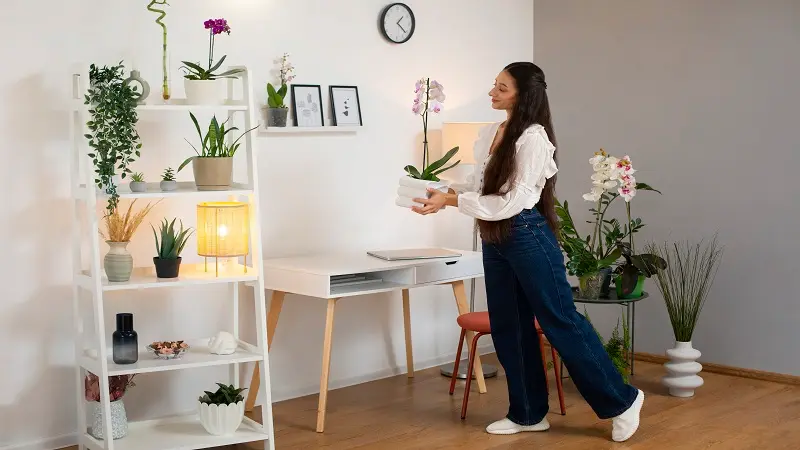
Small rooms often require more careful planning because every piece of furniture occupies a larger proportion of the available space. The solution is not necessarily to make everything smaller, but to choose items that serve a clear purpose.
Use Vertical Space Thoughtfully
Wall-mounted shelves, hooks, and tall storage units can help keep frequently used belongings organized without taking up as much floor space.
Place heavier items securely and follow the manufacturer’s installation guidance. Shelves should not obstruct doors, windows, or everyday movement.
A small collection of books, framed pictures, or decorative objects can make a shelf attractive while leaving enough space for practical storage.
Keep the Visual Layout Simple
Too many contrasting patterns, oversized accessories, and scattered decorative items can make a small room feel disorganized.
Choose a few focal points and allow some surfaces to remain empty. Mirrors can reflect available light and create a greater sense of visual depth when positioned thoughtfully, although they do not increase the room’s actual size.
When reviewing thehometrotters .com home decor ideas, consider whether a suggestion suits your room’s dimensions, natural light, and storage needs before trying to recreate it.
Refresh Your Home on a Budget
A limited budget does not prevent you from improving your surroundings. It simply makes prioritization more important.
Try Low-Cost Changes First
Start with tasks that cost little or nothing:
- Rearrange furniture to improve movement.
- Remove items that no longer serve a purpose.
- Reuse existing artwork in a different room.
- Wash curtains and cushion covers according to their care instructions.
- Group similar accessories instead of spreading them across every surface.
- Refresh suitable furniture with new handles or an appropriate finish.
Before starting a DIY project, consider the time, tools, materials, and skills it requires. A small repair or simple update may be manageable, while electrical work or other hazardous jobs may require a qualified professional.
Decide Where Spending Matters Most
If you plan to purchase something, identify the problem it should solve. A suitable lamp may improve a dark reading corner, while a storage unit may help manage belongings that regularly accumulate on the floor.
Compare dimensions, maintenance requirements, durability, and total cost before making a purchase. This approach helps prevent impulse buying and reduces the likelihood of bringing home something that does not fit.
Add Personal Details That Make a Difference
A home should reflect the people who live in it. Personal details often make a space more memorable than decorations selected only because they are fashionable.
Display Meaningful Objects
Family photographs, handmade crafts, travel souvenirs, favorite books, and inherited objects can give a room a stronger sense of identity.
Choose a few items that matter to you and arrange them where they can be appreciated. Grouping objects by theme, material, or color can help them feel connected rather than scattered.
You do not need to display every possession. Rotating smaller decorative pieces occasionally allows you to enjoy different items without overcrowding shelves and tables.
Choose Trends Selectively
Interior trends can introduce fresh ideas, but not every popular style will suit your home. A bold color, patterned cushion, or decorative lamp is easier to change than expensive furniture or permanent finishes.
Use trends as inspiration rather than strict rules. Prioritize comfort, practicality, and personal preference when deciding which ideas deserve a place in your home.
7. Common Decorating Mistakes to Avoid
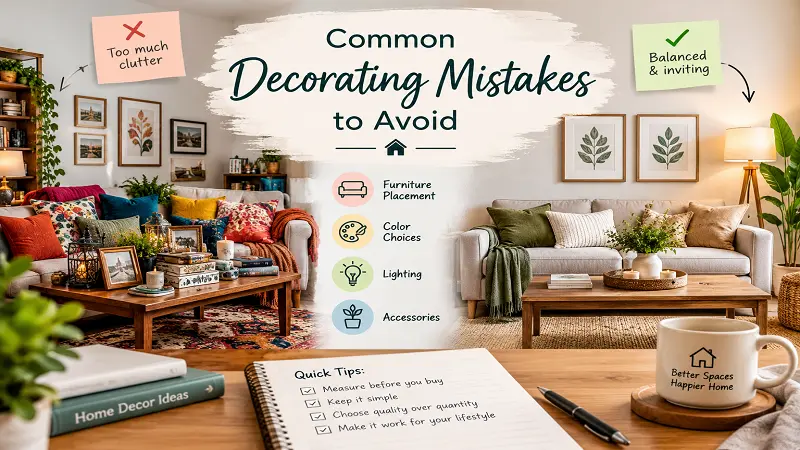
Even attractive individual items can create a disappointing result when they do not work together.
Buying before measuring: Furniture that looks suitable online may overwhelm a room or block a doorway. Measure the available area and check product dimensions before purchasing.
Using too many focal points: Several oversized decorations can compete for attention. Choose one main feature for each area and let smaller items support it.
Ignoring everyday needs: A beautiful layout is not useful if it makes cleaning, walking, reading, or storage more difficult. Test the arrangement before committing to permanent changes.
Copying a design without adapting it: Inspiration photographs may show different room sizes, lighting conditions, or furniture proportions. Adapt the underlying idea to your own circumstances instead of copying every detail.
Decorating everything at once: Changing multiple elements together makes it difficult to identify which improvements work best. Make a few changes, live with them, and then decide what to do next.
Frequently Asked Questions
What are TheHomeTrotters.com home decor ideas?
They refer to home decorating inspiration associated with TheHomeTrotters, including practical approaches to room styling, furniture placement, colors, textures, and personal accessories. Readers should adapt any idea to their available space, budget, and lifestyle.
How can I decorate my home without spending much money?
Start by rearranging existing furniture, removing unnecessary clutter, reusing suitable accessories, and updating small details. Purchase new items only when they address a specific need or offer a meaningful improvement.
How can I make a small room look more organized?
Keep walking routes clear, use vertical storage where appropriate, limit unnecessary accessories, and choose furniture that fits the room. A simple layout can make the available space easier to use.
Which colors should I choose for home decoration?
Choose colors that work with your existing furniture, flooring, and natural light. Neutral backgrounds can be flexible, while accent colors add contrast. Test paint samples before applying them across a large area.
Should I follow the latest interior design trends?
You can use trends to discover new possibilities, but comfort and function should remain your priorities. Introduce fashionable colors or accessories through smaller, replaceable items rather than changing everything whenever styles shift.
Final Thoughts
Creating a welcoming home is less about buying more decorations and more about making thoughtful choices. A clear layout, coordinated colors, useful storage, comfortable lighting, and meaningful personal details can improve a room without requiring a major renovation.
The most useful TheHomeTrotters.com home decor ideas are the ones you can adapt to your own space and daily routine. Start with one area, identify what is not working, and make a change you can evaluate before moving on to the next project.
A well-decorated home does not need to be perfect or follow a particular trend. It should feel personal, work for the people who live there, and remain comfortable to use every day.see more